Stem Cell Therapy in Lighthouse Point, FL
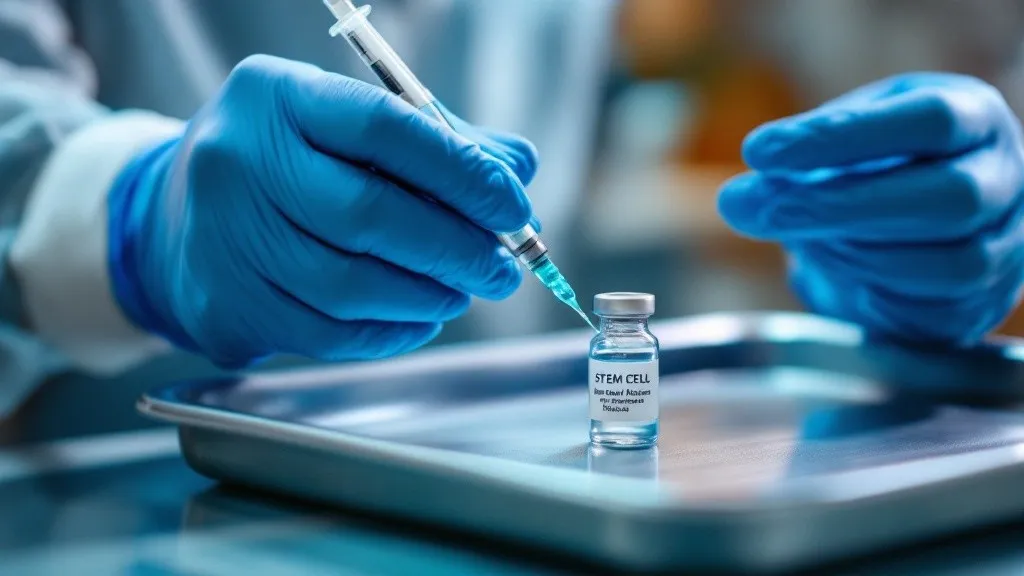
FDA Notice: These stem cell therapies have not been evaluated or approved by the U.S. Food and Drug Administration (FDA). Stem cell therapy is not intended to diagnose, treat, cure, or prevent any disease. All procedures are performed under the supervision of Medical Director Dr. Cedric Emden Davis II, MD. Learn about Florida SB 1768 and stem cell therapy regulations.
Umbilical cord stem cell therapy is a physician-supervised regenerative procedure that introduces allogeneic mesenchymal stem cells (MSCs) into the body to modulate inflammation, recruit tissue repair signals, and support recovery in orthopedic, neurological, and systemic conditions.
The procedure uses cells derived from umbilical cord tissue obtained from consenting donors at birth. These are not embryonic cells, not fetal cells, and not cells taken from the patient receiving treatment. They are perinatal MSCs, processed under pharmaceutical-grade conditions, and documented from donor to vial with a Certificate of Analysis on every lot.
At Rebuild Regen Medical Clinic, stem cell therapy is one part of a broader clinical evaluation. Elizabeth Celestin, APRN-BC, reviews your history, imaging, and lab work before any biologic protocol is designed. Every stem cell procedure is performed under the direct supervision of Medical Director Dr. Cedric Emden Davis II, MD. The goal is a protocol matched to your specific condition, not a standard vial count applied to every patient.
What Umbilical Cord Stem Cell Therapy Is
Mesenchymal stem cells are non-hematopoietic multipotent cells found in connective tissue and perinatal tissue including the umbilical cord. Umbilical cord-derived MSCs are considered a preferred allogeneic source for stem cell therapy because of their abundance, immune tolerance profile, and the absence of ethical concerns associated with other stem cell sources.
When introduced into the body, MSCs do not primarily differentiate into new tissue cells (despite earlier assumptions in the field). Their primary mechanism is paracrine signaling: they release cytokines, growth factors, and extracellular vesicles that modulate the local inflammatory environment and recruit the body's own repair cells to the site of damage. This signaling effect is what drives the clinical interest in MSC therapy for orthopedic, autoimmune, and neurological applications.
Stem cell therapy using allogeneic MSCs (donor-sourced) differs from autologous approaches (from the patient's own tissue) in several key ways. Autologous stem cell therapy sources are limited in cell count and quality, particularly in older patients with compromised stem cell reserves. Allogeneic umbilical cord stem cell therapy delivers younger, more potent cells in standardized, high-count preparations. The tradeoff is that allogeneic stem cell therapy requires rigorous donor screening and processing — which is precisely what DayZero™ sourcing protocols provide.
Understanding this mechanism clarifies what stem cell therapy is designed to do and, equally importantly, what it is not. It is not a guaranteed cure. It is a biologically active intervention that works with your body's existing repair infrastructure, with outcomes that depend on condition severity, patient baseline, and protocol design.
DayZero™ Sourcing — What Separates This Product from the Market
Not all stem cell products are equivalent. The industry includes products with variable cell counts, undocumented donors, and inconsistent processing standards. Rebuild Regen uses exclusively DayZero™ umbilical cord stem cells from ZEO ScientifiX, a supplier that meets every quality benchmark we require.
DayZero™ sourcing credentials:
- AABB-accredited tissue bank — the standard accreditation body for blood and tissue banking. AABB accreditation requires rigorous facility audits, chain-of-custody documentation, and personnel credentialing.
- FDA-registered cGMP facility — Current Good Manufacturing Practice standards govern every step of production, from donor screening to final product testing.
- ISO-7 Clean Room processing — pharmaceutical-grade cleanroom classification, the same standard used for injectable pharmaceutical manufacturing.
- Certificate of Analysis on every lot — viability, sterility, cell count, and identity testing documented for every production run. No lot ships without passing COA.
- 21 CFR Part 1271 registered — full regulatory compliance documentation maintained. This is the FDA's regulatory framework for human cells, tissues, and cellular and tissue-based products (HCT/Ps).
Three cell concentrations are available for injection protocols: 10 million and 20 million cell vials. IV administration uses 100M, 120M, and 150M cell bags. The appropriate concentration is selected based on indication, administration route, and patient clinical picture. The protocol is not a single-vial-fits-all approach.
For patients who want to review the sourcing documentation, ZEO ScientifiX publishes product information at zeoscientifix.com/biologics-for-providers. Elizabeth can walk through the specific lot documentation for the product used in your treatment.
Conditions Addressed
Stem cell therapy at Rebuild Regen is evaluated as a potential intervention across four clinical categories:
Orthopedic and musculoskeletal: Stem cell therapy for knee osteoarthritis, hip osteoarthritis, shoulder conditions (rotator cuff degeneration, labral conditions), lower back and disc conditions, ankle and foot conditions, and sports injuries involving tendon, ligament, or cartilage. Stem cell therapy is delivered via direct injection into the joint or soft tissue structure under appropriate guidance.
Inflammatory and autoimmune: Stem cell therapy for conditions with a systemic inflammatory component may help rebalance the inflammatory environment through MSC immune modulation. These stem cell therapy cases require detailed clinical evaluation and are addressed on a case-by-case basis.
Neuropathic: Stem cell therapy for peripheral neuropathy, diabetic neuropathy, and other nerve-damage conditions targets the neuroinflammatory component through MSC signaling. In neuropathy cases, stem cell therapy is often part of The Rebuild Neuropathy Protocol™ rather than a standalone intervention.
Systemic anti-aging and recovery: Stem cell therapy via IV administration targets systemic inflammation, fatigue, immune function, and cellular aging. These stem cell therapy protocols use higher-concentration IV bags and are often combined with exosome therapy or NAD+ infusion.
Elizabeth evaluates each patient's specific condition and determines whether stem cell therapy is an appropriate first-line or adjunct intervention. Not every patient presenting with one of these conditions is automatically a stem cell candidate. The consultation process exists to make that determination with clinical rigor rather than commercial pressure.
The Procedure — Consultation, Protocol, Administration
The stem cell therapy process at Rebuild Regen follows a structured sequence:
1. Initial consultation: Elizabeth reviews your history, symptoms, imaging, and any available lab work. She explains what the evidence supports for your condition, what the available concentrations and administration routes are, and what a realistic outcome range looks like for your clinical picture. This conversation is the foundation of the protocol.
2. Protocol selection: Based on the consultation, Elizabeth and Dr. Cedric Emden Davis II, MD design your specific protocol — cell concentration, administration route (injection vs. IV), single-treatment vs. multi-treatment plan, and any combination biologics (exosomes, PRP, or PPX™ as add-ons where clinically relevant).
3. Administration: On treatment day, the selected DayZero™ product is prepared per protocol. For injection-based protocols, the procedure typically takes 30 to 60 minutes. IV protocols run 90 to 120 minutes depending on volume and rate. Dr. Cedric Emden Davis II, MD directly supervises the procedure. Elizabeth manages the overall clinical experience.
4. Post-treatment monitoring: Patients receive written post-procedure instructions. A follow-up is scheduled at 4 to 6 weeks to assess response. Additional sessions may be recommended based on how the first treatment responds.
The entire experience is clinical in design and transparent in process. Patients receive the lot documentation for their product on request.
Is Stem Cell Therapy the Right Option for Your Condition?
Stem cell therapy is not a universal solution, and the right patients for this procedure have specific profiles that Elizabeth assesses during consultation.
You are likely a strong candidate if you have a confirmed orthopedic condition with documented tissue damage or degeneration, if you have tried conservative interventions (physical therapy, cortisone, anti-inflammatories) without adequate resolution, if you are not an immediate surgical candidate or prefer to exhaust regenerative options first, or if you have a systemic condition with a significant inflammatory component that has not responded fully to conventional management.
You may not be the right candidate if you have an active infection at or near the treatment site, if you have an active malignancy, if you are on immunosuppressive therapy that would interfere with the MSC signaling mechanism, or if your condition has progressed to a stage where surgical reconstruction is the appropriate definitive treatment.
The consultation is the place to get that honest assessment. There is no protocol sale here before a clinical conversation.
Frequently Asked Questions
Is stem cell therapy FDA-approved?
Stem cell therapy using umbilical cord-derived MSCs is not FDA-approved to treat any specific condition. The DayZero™ products used at this clinic are manufactured in an FDA-registered, cGMP, AABB-accredited facility under 21 CFR Part 1271 regulations. The FDA regulates the facility and manufacturing process. Approval of the therapy for specific diseases is a separate regulatory pathway that does not currently exist for most MSC applications. This distinction is important and is disclosed on every stem cell page at this clinic.
What is the difference between allogeneic and autologous stem cells?
Allogeneic stem cell therapy uses donor-sourced cells. Autologous stem cell therapy uses cells from the patient's own tissue. Allogeneic stem cell therapy from a young, healthy donor tends to be more potent and consistent than autologous approaches, which are limited by the patient's own age and health status. BMAC autologous stem cell therapy is one option; DayZero™ umbilical cord stem cell therapy is allogeneic and delivers standardized, higher cell counts. Rebuild Regen uses allogeneic DayZero™ stem cell therapy products for their standardized quality.
How many stem cell treatments are needed?
The number of treatments depends on the condition being addressed, its severity, and the patient's response to the first treatment. Some patients see meaningful improvement from a single session. Others benefit from two or three treatments spaced 4 to 6 weeks apart. This is not a one-size determination — it is assessed at follow-up based on your individual response.
Who supervises the stem cell procedure?
All stem cell therapy at Rebuild Regen is administered under the direct supervision of Medical Director Dr. Cedric Emden Davis II, MD. Elizabeth Celestin, APRN-BC, manages the clinical intake, protocol design, and overall patient experience. Florida SB 1768 requires physician supervision for stem cell procedures in a clinical setting. This clinic complies fully.
What should I expect in the days after treatment?
A mild inflammatory response at the injection site in the first 24 to 72 hours is normal and indicates the biologic is engaging with the local tissue environment. Systemic IV protocols may produce a mild fatigue response in the first 24 hours. Activity restrictions and post-procedure instructions are provided in writing at the time of treatment.
Can stem cell therapy be combined with other treatments?
Yes. Stem cell therapy at Rebuild Regen is frequently combined with exosome therapy (for enhanced paracrine signaling), PRP (for growth factor synergy at the injection site), or Class IV laser therapy (for local anti-inflammatory support). Combined protocols are designed based on clinical indication and discussed during consultation.
How long does it take to see results?
Stem cell therapy does not produce immediate mechanical results like cortisone, which reduces inflammation within days. MSC-driven repair is a biological process that typically shows early signals at 4 to 6 weeks and continues to progress over 3 to 6 months. Individual variation is significant.
When Stem Cell Therapy Is Not Appropriate
Stem cell therapy is contraindicated in the presence of active malignancy, active local or systemic infection, active autoimmune flare requiring immunosuppressive therapy, pregnancy, or conditions where the expected benefit is outweighed by procedure risk. Patients who are appropriate surgical candidates for conditions like severe end-stage knee osteoarthritis (bone-on-bone requiring replacement) may achieve more durable outcomes through surgical intervention than through regenerative biologics alone. Elizabeth will make this assessment honestly during consultation and refer to an orthopedic surgeon when that is the right clinical path.
Rebuild Regen Medical Clinic 3320 N Federal Hwy #101, Lighthouse Point, FL 33064 (954) 953-4208 | rebuildregenmedical.com
Ready to start your recovery?
Schedule a consultation at Rebuild Regen Medical Clinic in Lighthouse Point, FL.