Peptide Therapy in Lighthouse Point, FL | 17 Peptides
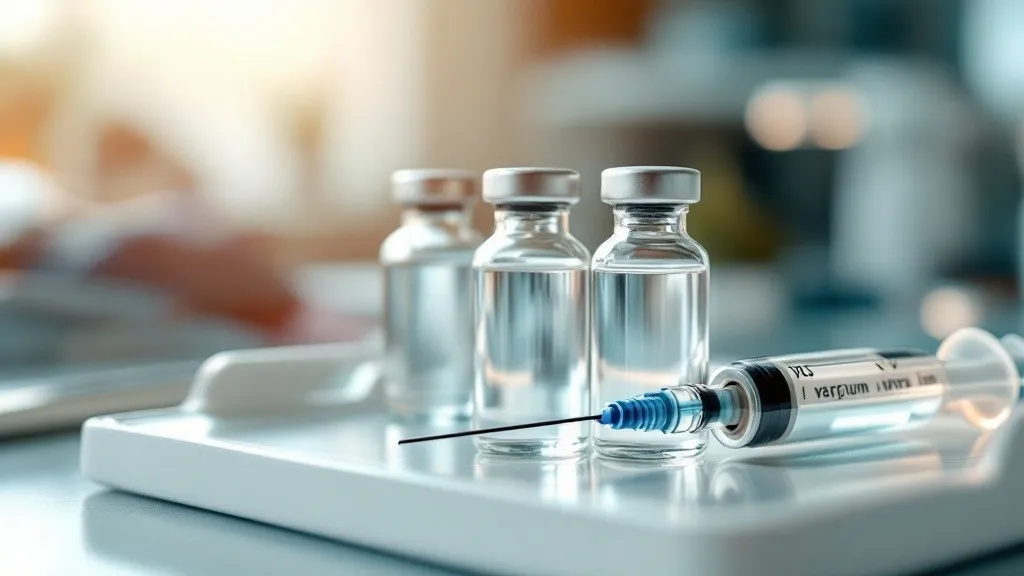
Peptide therapy is a medical intervention that uses short chains of amino acids — synthetic or bioidentical — to trigger specific biological responses including tissue repair, hormone secretion, immune modulation, and metabolic regulation. Peptide therapy works because peptides are the body's natural signaling molecules: the body produces thousands of them, and they function as precise messengers between cells directing biological processes. Therapeutic peptide therapy compounds are designed to mimic or amplify these natural signals — triggering a targeted response in a specific organ or tissue with a precision that broader hormonal interventions cannot always achieve.
At Rebuild Regen Medical Clinic, peptide therapy is available across 17 compounds organized into four clinical categories. The right peptide therapy protocol for any given patient is determined by lab work, clinical history, and goal-setting in consultation with Elizabeth Celestin, APRN-BC. Peptide therapy compounds are not supplements. They are prescribed compounds that require clinical evaluation before use.
What Peptide Therapy Is — Amino Acid Chains and Targeted Cell Receptor Signaling
Peptide therapy compounds are short-chain molecules, typically 2 to 50 units in length, with a compact molecular structure that enables highly targeted receptor binding. Peptide therapy compounds bind to specific cell surface receptors with a precision that activates or inhibits targeted biological cascades.
The specificity of peptide therapy is what makes it clinically useful. Unlike broad-spectrum hormones (testosterone, cortisol, insulin) that affect multiple tissues and pathways simultaneously, peptide therapy with BPC-157 primarily activates pathways involved in tissue healing. Peptide therapy with Ipamorelin specifically stimulates growth hormone release from the pituitary without significantly affecting cortisol or prolactin. Peptide therapy with PT-141 activates melanocortin receptors involved in sexual arousal. Each peptide therapy compound delivers a targeted biological signal.
Most therapeutic peptides are administered subcutaneously via self-injection — small insulin-type needles into subcutaneous fat. This bypasses gastrointestinal digestion, which would break down peptide chains before they could be absorbed intact. Some peptides are available in nasal spray or oral formats for specific indications. Elizabeth determines the delivery method based on the compound and the patient's clinical goal.
The 4 Peptide Therapy Categories at Rebuild Regen
Category 1 — Healing and Repair Peptides
These peptides trigger or amplify tissue repair cascades in musculoskeletal, gastrointestinal, and systemic tissue:
- BPC-157, TB-500, KPV
Category 2 — Hormonal Optimization
Growth hormone secretagogues and sex hormone signaling peptides:
- CJC-1295, Ipamorelin, CJC-1295/Ipamorelin Stack, Tesamorelin, Kisspeptin
Category 3 — Metabolic and Weight Management
GLP-1 and GLP-1/GIP agonist peptides plus longevity/skin compounds:
- Semaglutide, Tirzepatide, GHK-Cu, NAD+
Category 4 — Cognitive and Neurological
Neuropeptides targeting focus, anxiety, and neuroprotection:
- Semax, Selank
Category 5 — Sexual Function
Melanocortin-based sexual function peptide:
- PT-141
Category 6 — Longevity and Immune
Pineal and immune peptides for cellular aging and immune regulation:
- Epithalon, Thymalin
Peptides Available at Rebuild Regen — 17 Compounds
Healing and Repair
BPC-157: Body Protection Compound 157. This healing peptide therapy accelerates tissue repair in tendons, ligaments, muscle, and gastrointestinal tissue. Peptide therapy with BPC-157 has a strong research base in animal models and is used clinically for orthopedic recovery and gut healing.
TB-500: Thymosin Beta-4 fragment. Promotes actin polymerization, cell migration to injury sites, and angiogenesis. Used for acute injury recovery, tendon and muscle repair, and systemic anti-inflammatory effect.
KPV: A tripeptide derived from alpha-MSH. Potent anti-inflammatory and gut-healing properties. Relevant for inflammatory bowel conditions, systemic inflammation, and skin conditions.
Hormonal Optimization
CJC-1295: Growth hormone-releasing hormone (GHRH) analog. Stimulates the pituitary to release growth hormone. Used for lean mass gain, fat loss, sleep quality improvement, and recovery. Typically combined with Ipamorelin.
Ipamorelin: Growth hormone secretagogue that selectively stimulates GH release without significantly elevating cortisol or prolactin. Anti-aging, sleep, recovery, and lean body composition.
CJC-1295/Ipamorelin Stack: The most commonly prescribed peptide pairing. CJC-1295 provides sustained GHRH signaling; Ipamorelin provides a clean GH pulse. Combined, they produce a more robust and sustained GH release than either alone.
Tesamorelin: FDA-approved GHRH analog (for HIV-related lipodystrophy) with documented visceral fat reduction. Used off-label for abdominal fat reduction, metabolic optimization, and cognitive support.
Kisspeptin: Regulates the hypothalamic-pituitary-gonadal axis. Used for hormonal signaling support, particularly in the context of sex hormone regulation and fertility support.
Metabolic
Semaglutide: A GLP-1 peptide therapy that acts as a GLP-1 receptor agonist. Semaglutide is a GLP-1 peptide therapy originally developed for type 2 diabetes management; now widely used for weight management through peptide therapy protocols. Reduces appetite, slows gastric emptying, and improves insulin sensitivity.
Tirzepatide: A dual GLP-1/GIP peptide therapy agonist. Tirzepatide is a metabolic peptide therapy with a more potent weight reduction profile than semaglutide-based peptide therapy based on clinical trials. Addresses both GLP-1 and GIP receptor pathways for metabolic effect.
GHK-Cu: Copper peptide with collagen synthesis stimulation, anti-inflammatory, skin regeneration, and hair follicle support properties. Systemic and topical applications.
NAD+: Nicotinamide adenine dinucleotide. A coenzyme essential for cellular energy production, DNA repair, and mitochondrial function. IV NAD+ administration achieves systemic levels not achievable orally and is used for anti-aging, cognitive support, addiction recovery support, and energy restoration.
Cognitive and Neurological
Semax: ACTH-derived neuropeptide with cognitive enhancement, neuroprotective, and BDNF-stimulating properties. Used for focus, mental clarity, stress adaptation, and neurodegenerative support.
Selank: Anxiolytic peptide derived from tuftsin. Reduces anxiety and cognitive fatigue without sedation. Used for stress adaptation, performance under pressure, and mood stability.
Sexual Function
PT-141 (Bremelanotide): A sexual function peptide therapy targeting melanocortin receptors. Peptide therapy with PT-141 activates sexual arousal through central nervous system pathways rather than vascular mechanisms (as PDE5 inhibitors do). Available for both men and women experiencing reduced sexual desire.
Longevity and Immune
Epithalon: This longevity peptide therapy is a tetrapeptide derived from the pineal gland. Peptide therapy with Epithalon stimulates telomerase, supports telomere length, and has documented effects on melatonin regulation and cellular aging markers in longevity-focused protocols.
Thymalin: This immune peptide therapy restores immune function and modulates the immune system, particularly relevant in age-related immune decline. Peptide therapy with Thymalin is used alongside Epithalon in longevity protocols.
The Consultation Process — Lab Work, Goal Setting, Protocol Design
Peptide therapy at Rebuild Regen starts with an evaluation, not a product selection conversation. Elizabeth reviews your clinical history, current medications, and health goals during the initial consultation.
For metabolic peptides (semaglutide, tirzepatide), a metabolic panel including fasting glucose, HbA1c, insulin, and lipid panel is ordered to confirm the clinical indication and establish baseline.
For growth hormone secretagogues (CJC-1295, Ipamorelin, Tesamorelin), IGF-1 levels are measured as a proxy for growth hormone axis activity.
For hormonal optimization peptides (Kisspeptin), a full sex hormone panel is relevant.
For healing and cognitive peptides, the evaluation is more history and symptom-based, with relevant imaging or labs as appropriate to the specific clinical question.
Protocol design covers the specific peptide or combination, dosing, administration method (subcutaneous injection, nasal spray), timing (morning, evening, before sleep), cycle structure (continuous vs. cycled), and monitoring plan.
Patients receive written protocol instructions and training on self-administration where applicable. Follow-up is scheduled based on the specific protocol.
How Do You Know Which Peptide Protocol Is Right for Your Goals?
The right peptide therapy protocol depends on what you're trying to address, your baseline health picture, and your willingness to administer a daily or near-daily compound.
Patients with acute orthopedic or gut healing goals are typically best served by BPC-157 peptide therapy, TB-500 peptide therapy, or a combination. Patients with low growth hormone function and body composition goals typically benefit from the CJC-1295/Ipamorelin peptide therapy stack. Patients with significant metabolic dysfunction or weight management goals are candidates for semaglutide or tirzepatide peptide therapy. Patients interested in longevity are candidates for a combined Epithalon/Thymalin/NAD+ peptide therapy approach.
Multiple categories can be addressed simultaneously with stacked protocols, though the number of active compounds is kept to what the patient can manage consistently and what the clinical picture actually supports.
Frequently Asked Questions
Are peptides legal?
Most peptides prescribed at Rebuild Regen are compounded pharmaceuticals prepared in FDA-registered compounding pharmacies. Some, like semaglutide (Ozempic/Wegovy), are FDA-approved drugs. Others are research peptides with significant clinical use but without individual FDA approval for specific indications. Elizabeth prescribes within her clinical scope and only peptides with a reasonable evidence base and appropriate clinical indication.
What is the difference between peptides and steroids?
Peptide therapy uses short-chain signaling compounds that activate specific cell receptors. Anabolic-androgenic steroids are synthetic versions of testosterone that directly bind androgen receptors and produce significant hormonal effects. Peptide therapy with growth hormone secretagogues like CJC-1295 and Ipamorelin stimulates the body's own GH production rather than introducing exogenous GH or testosterone. The mechanisms, risks, and regulatory status of peptide therapy are entirely different from steroids.
How are peptides administered?
Most therapeutic peptides at Rebuild Regen are administered subcutaneously — self-injected into subcutaneous fat using small insulin-type needles. Some peptides are available as nasal sprays (Semax, Selank). Training on self-administration is provided as part of the protocol initiation.
How quickly do peptides work?
Response timeline varies by peptide category. Healing peptides (BPC-157, TB-500) typically produce noticeable effects within 2 to 4 weeks of consistent use. Growth hormone secretagogues show IGF-1 elevation and body composition changes over 8 to 12 weeks. Metabolic peptides (semaglutide) produce appetite suppression effects within the first week; significant weight changes are visible at 8 to 12 weeks. Cognitive peptides (Semax, Selank) often produce near-term effects within days to weeks.
When Peptide Therapy Is Not Indicated
Peptide therapy is not appropriate as a substitute for addressing underlying medical conditions that require conventional treatment. A patient with uncontrolled diabetes needs glycemic management before metabolic peptides will produce their full effect. A patient with an active infection should not begin immune-modulating peptides until the infection is resolved. Metabolic peptides (semaglutide, tirzepatide) carry specific contraindications including personal or family history of medullary thyroid carcinoma and multiple endocrine neoplasia syndrome type 2 (MEN2). Elizabeth screens for contraindications as part of the evaluation and does not prescribe peptides where clinical contraindications exist.
Rebuild Regen Medical Clinic 3320 N Federal Hwy #101, Lighthouse Point, FL 33064 (954) 953-4208 | rebuildregenmedical.com
Ready to start your recovery?
Schedule a consultation at Rebuild Regen Medical Clinic in Lighthouse Point, FL.